Web design in Ottawa, for businesses that need the phone to ring.
We build websites for Ottawa businesses, and we do the Google work so people can find them. We are an IT company first, so when something goes wrong you ring us, not a stranger. You do not have to be a customer of ours already.
Drawn Five businesses we invented for this page. None of them is a customer, and we will not put a real client’s site here without asking them first.
A web designer finishes the site and moves on. We are an IT company, so we are still here in year three when something needs fixing.
Websites rarely break with a bang. The little security padlock beside your web address runs out, and browsers start warning people off. The booking form stops sending and nobody notices for a month. The person who built it stops replying, and nobody can find the files. Every one of those is an IT job. We build the site and we look after it afterwards — one company, one phone number, and nobody else to blame.
Seven kinds of website work. Yours is probably here.
Sites that explain what you do, sites that take bookings, sites that take orders and payments — plus the search work that decides whether anybody sees them. We build websites, not phone apps. If you want customers ordering from their phone, that is a website job and we do it — here is what online ordering on your own site costs a restaurant.
-
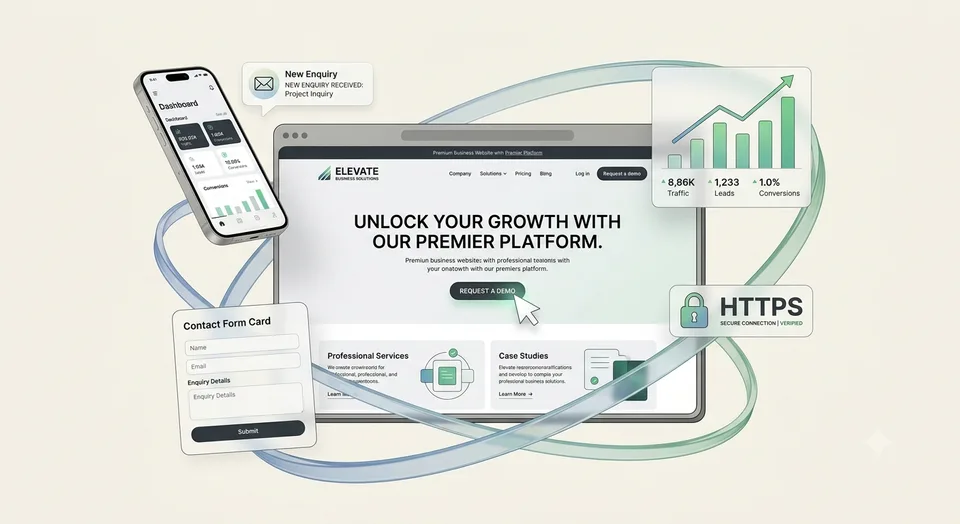
Business website
Explains what you do, and gets people to pick up the phone.
-
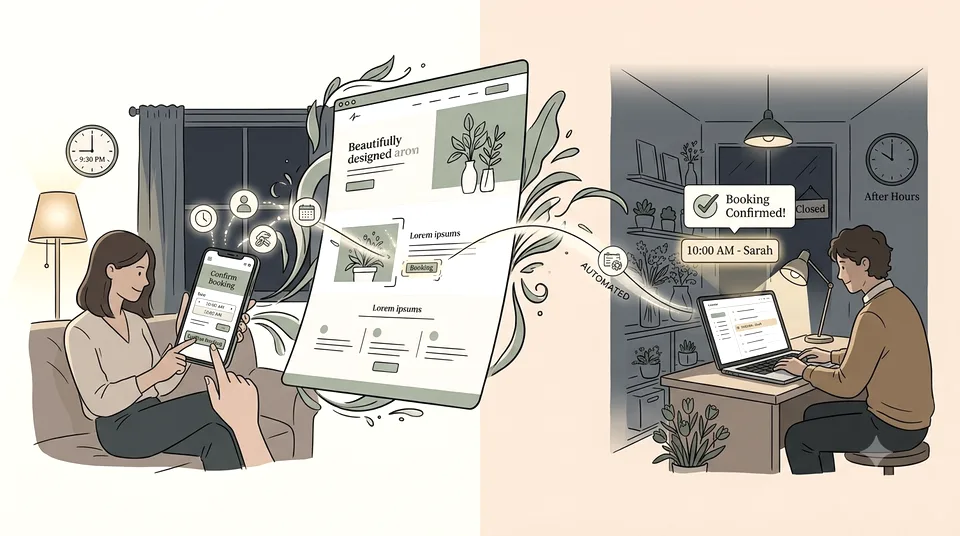
Bookings and enquiries
Customers book a time or send you a message, without ringing you.
-
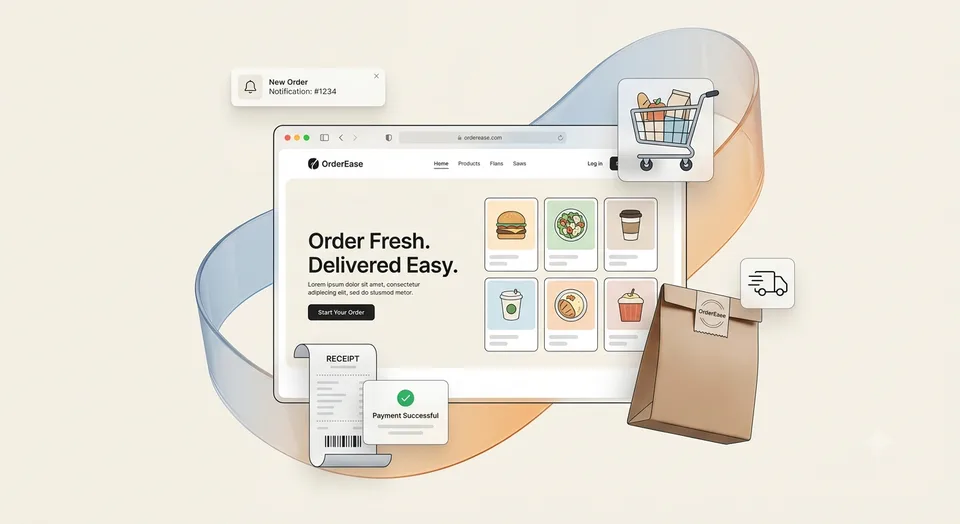
Online ordering
Take orders and card payments on your own website, not through somebody else's app.
-
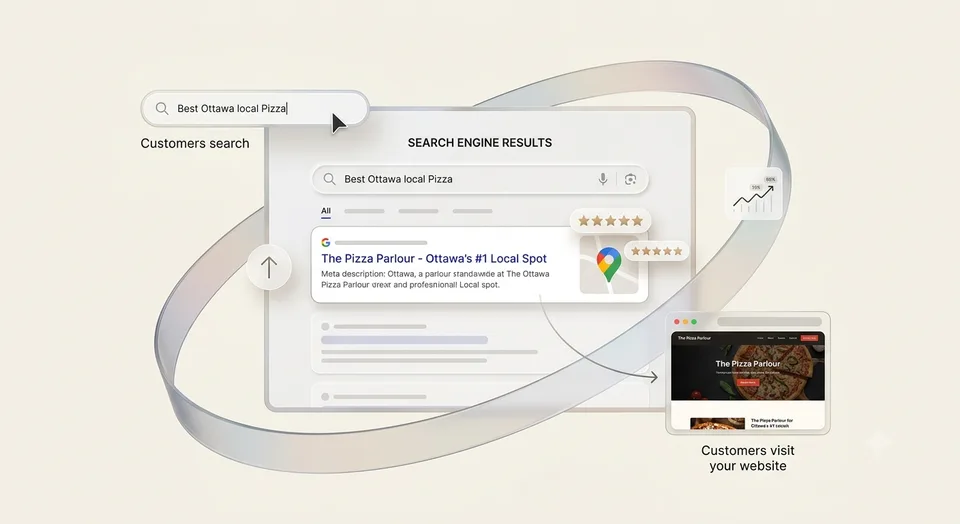
Getting found on Google
The work that puts you in the running when somebody searches at eight at night.
-
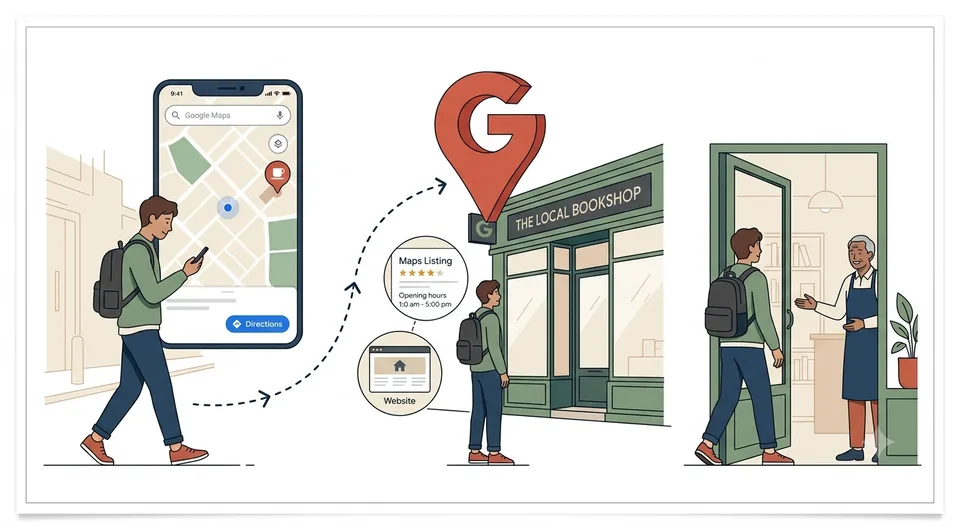
Your Google map listing
The pin on the map, your opening hours, and a phone number that actually rings.
-
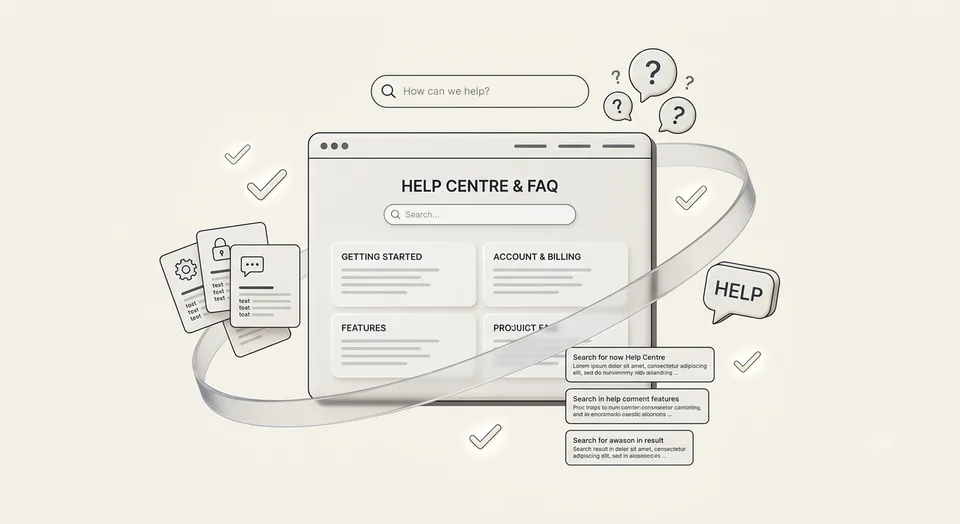
Pages that answer questions
One page for each thing customers keep phoning up to ask.
-
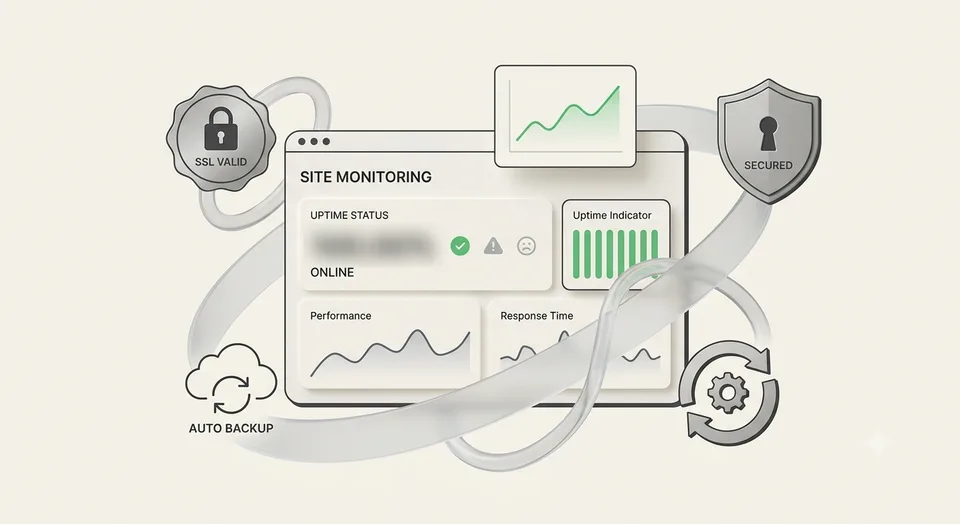
Looked after every month
Updates, backups and someone keeping an eye on it, so it does not quietly rot.
The row moves on its own — swipe it if you want to go faster, and tap any card to read more. If what you need is not a website, we will tell you on the phone.
Four reasons to buy a website from an IT company.
Plenty of people can build you a good-looking website. The trouble usually starts months later, when something small goes wrong and whoever built it has moved on. Most of the businesses we build sites for do not buy their IT from us, and that is fine — you get the same people either way.
See our IT services
One number to call
When something goes wrong you ring us, on the same number you would ring about your email. One company, one number, and no two suppliers pointing at each other while your website is down.
We move the website and the email together
Done carelessly, moving a website can knock a small business's email out for a day, because the website and the email both hang off the same web address. We move both together, so there is nothing to hand between two companies and nothing to get dropped in the middle.
We are still here next year
Websites rot quietly. Updates stop being applied, the security padlock beside your web address runs out, and one morning your customers get a warning screen instead of your home page. We watch for that the same way we watch every other system we look after, so your site is one more line on the same list.
You talk to the person who built it
You are not explaining your problem to a salesperson who then passes it to a builder you never meet. You talk to the person who made the site. And if we look after your email and your web address as well, that is one person who can see all of it at once instead of three companies blaming each other.
A real one you can go and use.
We designed and built Resimay, and we keep it running. It is not a client's site and we are not going to dress it up as one — it is here because it is the most complete thing we have built, and the same hands build the small ones. The full story is in the Resimay case study, alongside the Ottawa Dental Society rebuild — client work you can click today.
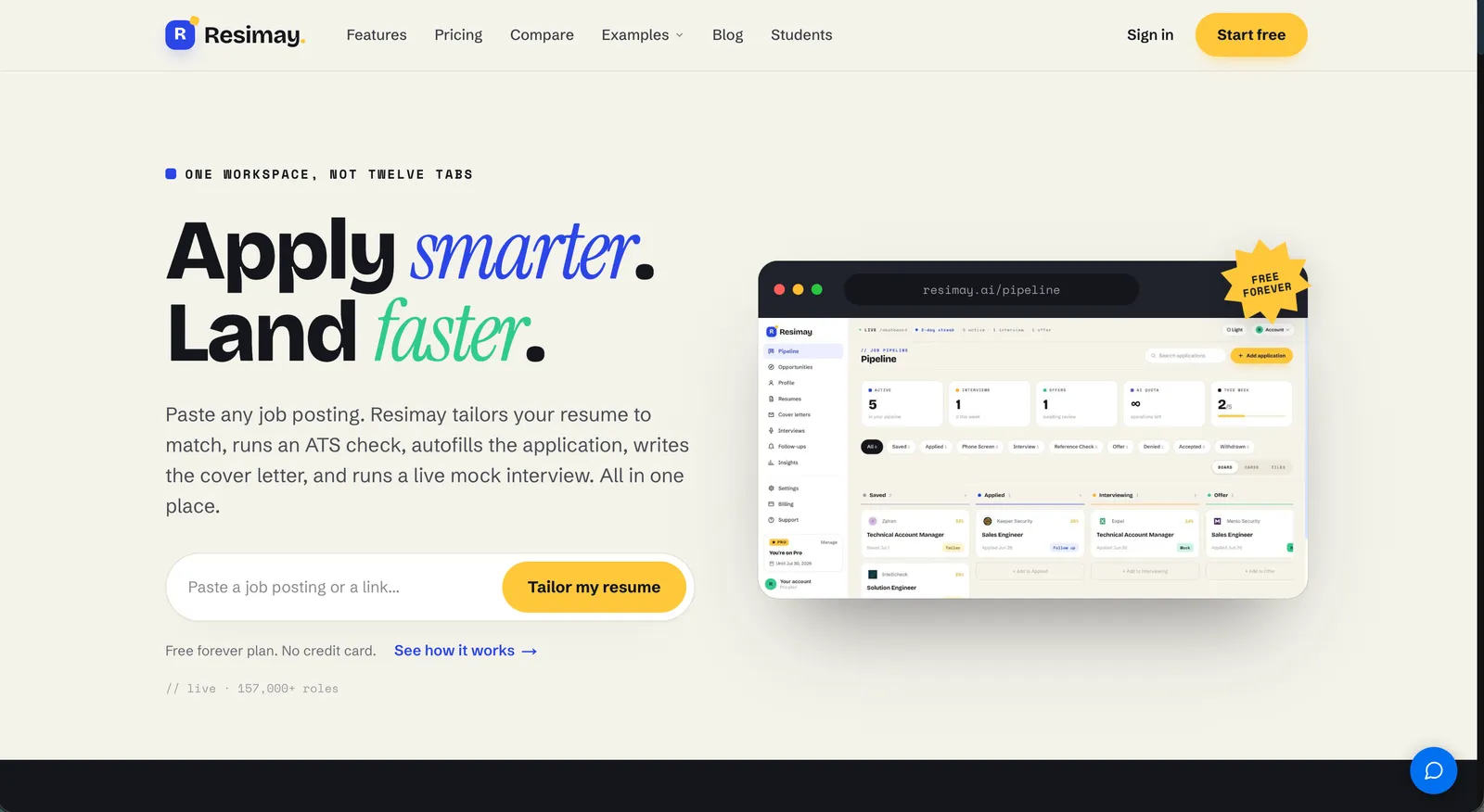
We do not have a roofer's site or a restaurant's site to point you at. When we do, it will be here with the owner's name on it and you will be able to ring them. We would rather say that plainly than fill this page with somebody else's work and hope you do not ask.
A new website does not show up on Google by itself.
Somebody has to tell Google what your business is, where it is and what it does, and then keep telling it. That work is in the price of the build, not sold to you separately afterwards.
Your listing on Google Maps
That is the box with your name, address, opening hours, phone number and photos that appears beside the map when somebody searches. For a lot of local searches it is what people tap before they ever reach a website. We set it up, fill it in properly, and sort out a sensible way of asking your customers for reviews.
Pages built around the questions you get asked
The things people actually type into Google, and the questions you already answer on the phone. One page per question, written properly — not the same phrase repeated until it reads like a machine wrote it.
The boring bits nobody sees
How fast it loads on a phone with one bar of signal, whether Google can read the pages at all, and whether one of your pages has ended up at three different web addresses, which splits it in Google's eyes. No customer ever notices this work. It is a lot of the reason one site gets found and another does not.
A summary Google can read
Your hours, services and location, written into the page in a format search engines understand. It is not hidden text or a trick: it is the same information a customer sees, just labelled so a machine can use it. It gives search engines and phone assistants something clean to read when somebody asks a question instead of scrolling a list of links.
Nobody can promise you first place on Google, and anyone who does is either guessing or buying ads and calling it search. There is a fuller account of this work on our SEO page, including what we will not promise and why. What we will do is the work above, and tell you plainly what it has changed and what it has not.
It should take a minute to book you, on any phone.
Being found is the first half. Then somebody on a bus, with one thumb and half a bar of signal, has to be able to book you without giving up. Below is the same business on a website, a tablet, a phone and the front-desk screen, with nowhere for a customer to get stuck.
Five stages, and a price agreed before we start.
The planning session is free. You come away with a written plan of what the site will do, in plain English, and a fixed price within two to three business days. Both are yours to keep even if you decide not to build with us. How long the build takes comes down mostly to how many pages there are, and whether it has to take bookings or payments. You get an honest timeline in the plan, not a number picked to win the job.
The plan
We sit down with the people who will actually use the site. We write down what it has to do, and what we are deliberately leaving out to begin with.
A clickable draft
You click through a pretend version of the site before anybody builds the real one. Much cheaper to change your mind here than half way through the build.
Build
Something to look at every week. The price is fixed against the plan you agreed, and anything you add after that gets quoted first, so nothing lands on the invoice you did not say yes to.
Going live
Onto your own web address, with the security padlock, the backups and the monitoring all in place before the first customer arrives.
Looking after it
Either we keep looking after it for a monthly fee, or you take the files, the written instructions and the lot, and run it yourself.
The fastest way to waste a budget is to pay for every feature anyone might ever want. We build the part that fixes the problem you actually have, let it run for a few weeks, and then decide together whether anything else is worth adding. Adding more later is a choice you make, not a bill you have already signed up for.
zero lineups.
Skip the line. Order from your phone.
Order ahead
Maplewood · Bank St
Order #214 confirmed
Ready for pickup · 8:40 AM
Paid $13.25 · VISA ····4242
Maplewood is a drawing we made for this page, not a real customer. It shows the kind of ordering site we build for Ottawa businesses.
What happens after your site goes live.
The site you are reading runs on exactly this arrangement, so it is a fair sample of both the build and the looking-after.
The ones people actually ask.
If yours isn’t here, ask it directly — you’ll get an answer from an engineer, not a form letter.
An IT company that builds websites. The difference matters: a web design shop is aiming at launch day, we are aiming at year three, because we are the ones who will still be answering the phone. It also means we do not hand you off to somebody else when something breaks.
No. Plenty of the websites we build are for businesses who look after their own computers, or who have somebody else doing it. It does go more smoothly when we already know your setup, because a booking or ordering page has to connect to your email and your other systems before it can work.
A fixed price, quoted against a written plan. The planning session that produces the plan is free, and you get a written price within two to three business days of it. A five-page site for a trades business and an ordering site with stock and card payments are very different jobs, so we will not throw a number at you before we know which one you need. If an off-the-shelf template would do the job for less, we will say so.
Usually. Sometimes the right answer is to rebuild, and often it is to keep what works and fix what does not — including hooking the site up to something you already use, like your booking system or your accounts. Where that connection cannot be made properly we will tell you, rather than promise something that will quietly stop working later.
You do, once the final invoice is paid. You get the files, in an account in your name, with written instructions for making a change, so another developer could pick it up tomorrow. We do not hold anybody's website hostage.
Either you keep us on to look after it, or you take it and run it yourself. Both are normal and neither is a trap. If we are looking after it, your site goes on the same monitoring and backup routine as everything else we watch.
Sometimes. We will look at it and tell you honestly whether it is worth repairing or whether you are better off starting again. That answer has gone both ways.
Next
This site is our own work. Judge us on it.
Tell us what is not working — no website, an old one, or orders going through somebody else's app. We will tell you whether a website fixes it, and roughly what it would cost.